Introduction
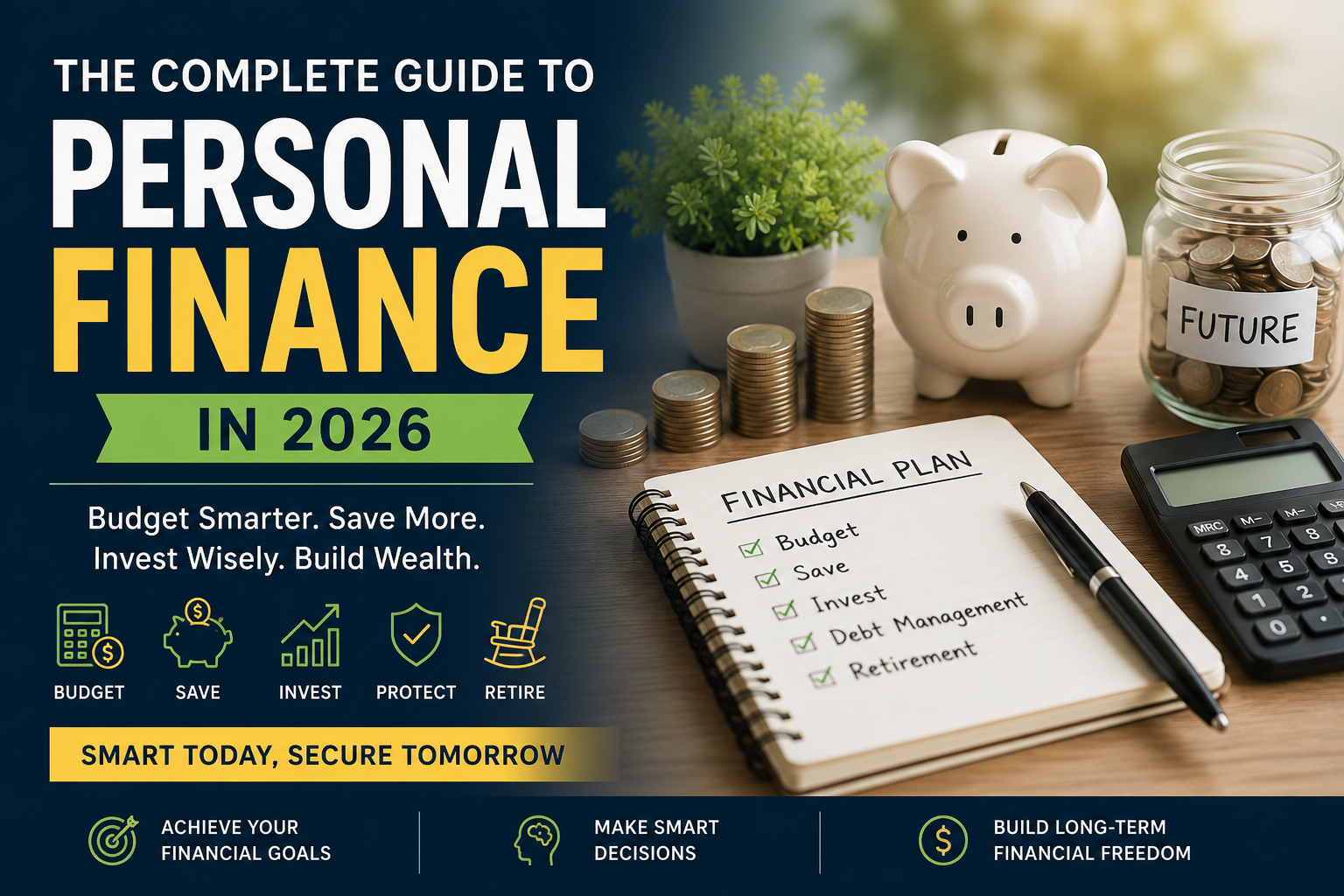
Personal finance is one of the most valuable life skills anyone can learn. Regardless of your income level, understanding how to budget, save, invest, and manage debt can improve your financial stability and help you reach your long-term goals. This guide explains the fundamentals of personal finance in a practical, beginner-friendly way.
What Is Personal Finance?
Personal finance is the process of managing your income, expenses, savings, investments, insurance, and taxes. The goal is to make informed financial decisions that support both your current lifestyle and your future objectives.
Good personal finance habits help you:
- Build financial security
- Reduce financial stress
- Prepare for emergencies
- Avoid unnecessary debt
- Grow wealth over time
- Plan for retirement
Financial success is not only about earning more money. It is also about making smart decisions with the money you already have.
Why Financial Planning Is Important
Without a financial plan, it’s easy to spend more than you earn and struggle to save for the future. A solid financial plan gives you direction and helps you make better decisions.
- Control your spending
- Create achievable financial goals
- Build emergency savings
- Invest confidently
- Protect your family financially
- Reduce money-related stress
Create a Monthly Budget
A budget is the foundation of every successful financial plan. Start by listing your monthly income and all recurring expenses. Then categorize your spending into essentials and non-essential purchases.
The 50/30/20 Budget Rule
- 50% for essential expenses such as housing, food, transportation, and utilities.
- 30% for personal wants including entertainment and hobbies.
- 20% for savings, investing, and debt repayment.
If these percentages do not fit your situation, adjust them while ensuring you consistently save part of your income.
Build an Emergency Fund
Unexpected expenses can occur at any time. Medical emergencies, job loss, or home repairs can quickly create financial pressure.
Financial experts commonly recommend saving between three and six months of essential living expenses in an emergency fund. Keep this money in an account that is easy to access while remaining separate from your daily spending account.
Manage Debt Wisely
Debt can be useful when managed responsibly, but high-interest debt—especially credit card debt—can become expensive.
To reduce debt effectively:
- Pay more than the minimum payment whenever possible.
- Prioritize high-interest balances first.
- Avoid unnecessary borrowing.
- Create a repayment plan and stick to it.
Understand Your Credit Score
Your credit score influences your ability to qualify for loans, mortgages, and credit cards. Maintaining a good credit history can also help you receive lower interest rates.
Improve your credit score by:
- Paying bills on time.
- Keeping credit utilization low.
- Avoiding multiple unnecessary loan applications.
- Checking your credit report regularly.
Start Investing Early
Investing allows your money to grow over time through compound returns. The earlier you begin investing, the more time your investments have to increase in value.
Popular investment choices include:
- Stocks
- Exchange-Traded Funds (ETFs)
- Mutual Funds
- Government Bonds
- Retirement Accounts
Successful investing is usually based on patience, consistency, and diversification rather than attempting to predict short-term market movements.
The Power of Compound Growth
Compound growth means your investment earnings generate additional earnings over time. Even relatively small monthly investments can grow into substantial amounts over many years when returns are reinvested consistently.
For this reason, time is often more valuable than trying to find the perfect investment.
Stocks vs. ETFs vs. Mutual Funds
Choosing the right investment depends on your financial goals, risk tolerance, and investment timeline. Understanding the differences between common investment options can help you build a balanced portfolio.
Stocks
Stocks represent ownership in a company. When you buy shares, you become a partial owner of that business. Stocks have historically provided strong long-term returns, but their prices can fluctuate significantly in the short term.
Advantages:
- High long-term growth potential.
- Opportunity to receive dividend income.
- Easy to buy through online brokerage platforms.
Disadvantages:
- Higher short-term volatility.
- Requires research before investing.
Exchange-Traded Funds (ETFs)
ETFs combine multiple investments into a single fund that trades like a stock. They are popular because they offer instant diversification while usually charging lower fees than actively managed funds.
Benefits of ETFs:
- Lower management costs.
- Broad diversification.
- Suitable for beginners.
- Can be bought and sold throughout the trading day.
Mutual Funds
Mutual funds pool money from many investors and are managed by professional fund managers. They provide diversification and are commonly used for long-term investing.
Benefits:
- Professional management.
- Diversified portfolio.
- Good for long-term investors.
Diversify Your Investments
Diversification means spreading your money across different types of investments rather than relying on a single company or asset. This strategy helps reduce overall investment risk.
A diversified portfolio may include:
- Stocks
- ETFs
- Mutual Funds
- Bonds
- Cash Savings
- Real Estate Investments
While diversification does not eliminate risk, it can reduce the impact of poor performance in any one investment.
Plan for Retirement
Retirement planning should begin as early as possible. Starting early gives your investments more time to benefit from compound growth.
Good retirement planning includes:
- Making regular contributions.
- Reviewing your portfolio annually.
- Increasing contributions as income grows.
- Maintaining a diversified investment strategy.
Consistency is often more important than trying to perfectly time the market.
Protect Yourself with Insurance
Insurance is an important part of financial planning because it helps protect your savings from unexpected expenses.
Common types of insurance include:
- Health Insurance
- Life Insurance
- Vehicle Insurance
- Home Insurance
- Travel Insurance
Having appropriate insurance coverage can prevent major financial setbacks during emergencies.
Understand Taxes
Taxes affect your overall financial health. Learning the basics of tax planning can help you stay compliant with the law while making informed financial decisions.
Consider these good habits:
- Keep accurate financial records.
- File taxes before deadlines.
- Understand deductions available in your country.
- Review tax rules regularly as they may change.
Build Multiple Income Streams
Relying on a single source of income can increase financial risk. Developing additional income sources can improve financial stability and help you reach your goals faster.
Examples include:
- Freelancing
- Consulting
- Dividend Investing
- Rental Property
- Affiliate Marketing
- Selling Digital Products
- Blogging
- YouTube Content Creation
Multiple income streams provide greater flexibility and may help you save and invest more consistently.
Common Financial Mistakes
- Living beyond your means.
- Ignoring emergency savings.
- Taking on unnecessary debt.
- Investing without understanding the risks.
- Trying to get rich quickly.
- Not reviewing your financial plan regularly.
Financial Habits That Support Long-Term Success
- Create and follow a monthly budget.
- Save consistently.
- Invest regularly.
- Continue improving your financial knowledge.
- Avoid emotional financial decisions.
- Review your financial goals every year.
Long-term financial success usually comes from steady, disciplined habits rather than dramatic short-term decisions.
Practical Money-Saving Tips
Improving your financial health doesn’t always require a higher income. Small, consistent habits can make a significant difference over time.
1. Track Every Expense
Record your daily spending to understand where your money goes. Many people discover unnecessary expenses only after reviewing their monthly transactions.
2. Automate Your Savings
Set up an automatic transfer to your savings or investment account every payday. Saving before spending makes it easier to stay consistent.
3. Avoid Impulse Purchases
Before buying a non-essential item, wait at least 24 hours. This simple habit helps reduce unnecessary spending.
4. Compare Prices
Before making major purchases, compare prices from multiple retailers. Even small savings on larger purchases can add up over time.
5. Review Your Budget Monthly
Your financial situation changes over time. Reviewing your budget each month helps you identify new opportunities to save and invest.
Frequently Asked Questions (FAQ)
How much money should I save every month?
A common recommendation is to save at least 20% of your income if possible. If that isn’t realistic, start with a smaller amount and increase it gradually.
Is investing better than saving?
Saving is important for short-term goals and emergencies, while investing is generally more suitable for long-term wealth building. Most people benefit from doing both.
Should I pay off debt before investing?
High-interest debt is often worth paying down first. Once your debt is manageable, you can focus on building long-term investments.
What is an emergency fund?
An emergency fund is money reserved for unexpected expenses such as medical bills, home repairs, or temporary job loss. A common goal is three to six months of essential living expenses.
Can beginners start investing?
Yes. Many beginners start with diversified investment products such as ETFs or mutual funds while learning more about investing over time.
Key Takeaways
- Create and follow a realistic monthly budget.
- Build an emergency fund.
- Manage debt responsibly.
- Maintain a healthy credit history.
- Invest consistently for long-term goals.
- Diversify your investments.
- Protect yourself with appropriate insurance.
- Continue improving your financial knowledge.
- Review your financial plan every year.
Conclusion
Personal finance is not about becoming wealthy overnight. It is about making informed financial decisions consistently over time. By budgeting wisely, saving regularly, managing debt responsibly, investing patiently, and continuing to improve your financial knowledge, you can build greater financial security and work toward your long-term goals.
Everyone’s financial journey is different. Start with small, achievable steps, stay consistent, and adjust your plan as your circumstances change. Financial success is built through discipline, patience, and informed decision-making.